

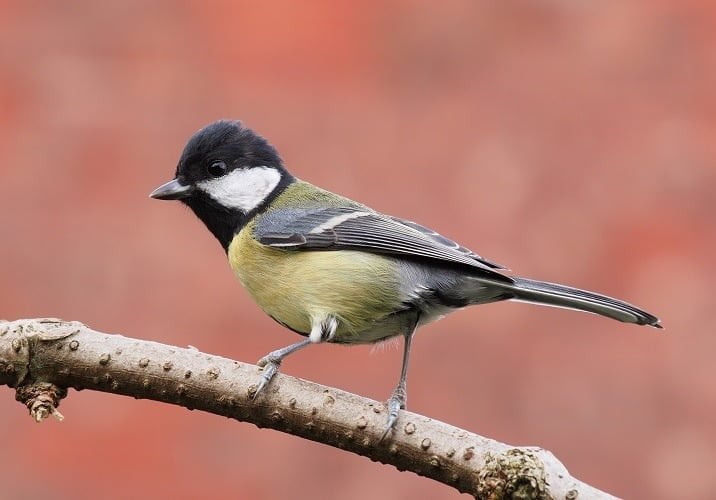
One of the many interesting facts about garden birds is that they moult. Moulting is the term used for the process of shedding feathers, and there are good reasons why birds do it. Keep reading to find out what they are.
Why do birds moult?
The main reason for moulting is that feathers gradually become worn and damaged. They are made out of keratin, which is a tough substance that bears a similarity to the finger and toenails of a human being. It is not possible for this substance to repair itself, so the feathers must be shed and replaced by new ones.
What happens during moulting?
When birds are shedding feathers, it weakens them in several ways. Flying becomes more difficult, and they have less protection against cold and rain. Because of this, they will usually stick close to hedgerows and other places where there are natural sources of food. They try to stay out of sight, so you are much less likely to spot them from your rattan garden furniture.
When do birds moult?
The standard for most garden birds is once each year. For the majority of species, it happens towards the end of the summer, which is when breeding comes to a close. They will moult for between four and eight weeks, so it will continue into early autumn. This means they are covered in a new coat of feathers and back to full strength for the colder months.
If the birds seem to disappear from your garden for a few weeks, you now know why.